
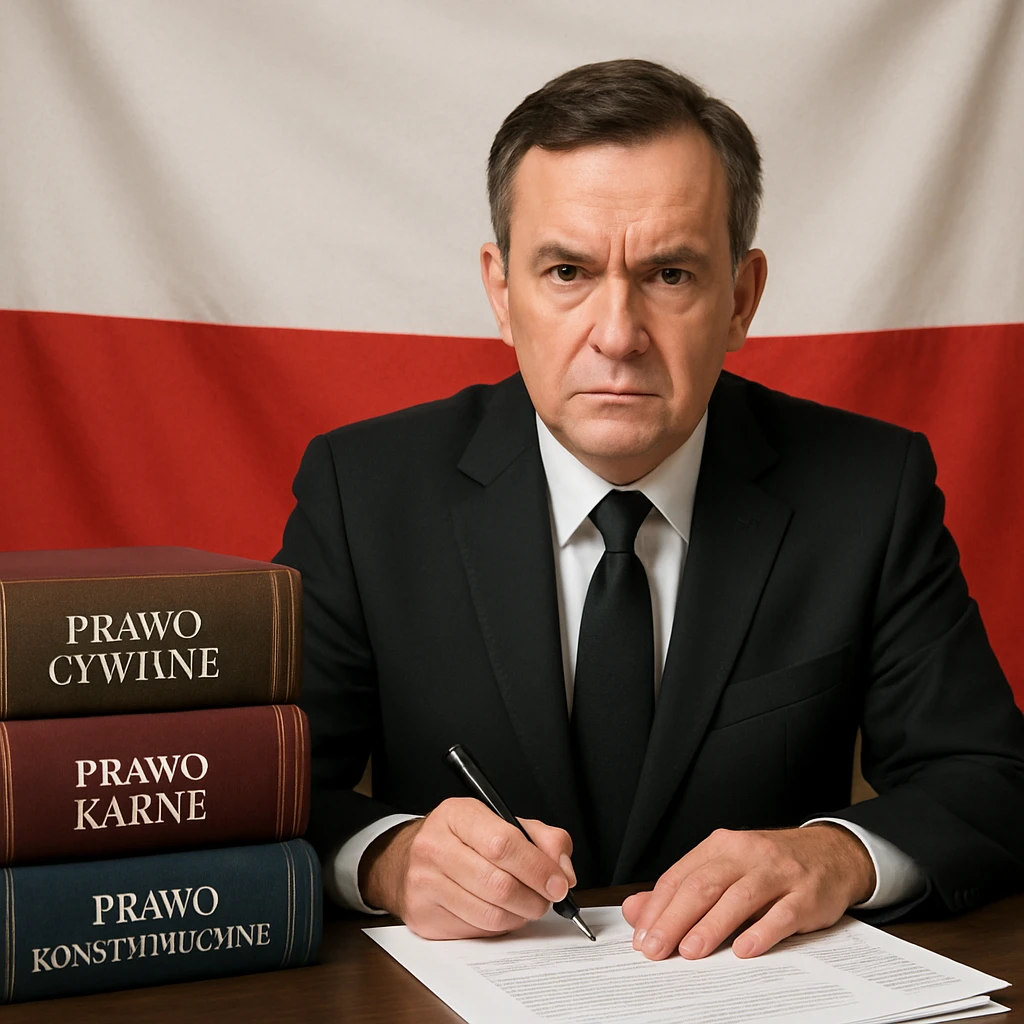
Entering a foreign market has never been solely about identifying profitable opportunities or understanding consumer demand, because behind every successful investment there is usually a carefully analyzed legal framework that determines how safely and effectively a business can operate. Poland has become one of the most attractive destinations for international investors in Central Europe, largely due to its strategic location, expanding economy, and increasing openness to foreign capital. However, before launching a company, acquiring property, or entering into long-term commercial agreements, investors must first understand the legal environment shaping business activity within the country. This is precisely why knowledge of Polish civil and business laws has become essential for entrepreneurs seeking stability, transparency, and long-term growth within the Polish market.
Why the legal framework matters for foreign investors
Every investment decision carries a certain level of financial and operational risk, yet many of the most serious complications arise not from the market itself, but from misunderstandings related to local regulations, contractual obligations, or administrative procedures. Investors entering Poland often discover that a strong understanding of the legal system significantly reduces uncertainty and allows businesses to operate with far greater confidence.
Poland’s legal structure is based on continental European civil law traditions, which means that written statutes and codified regulations play a dominant role in legal interpretation. For foreign companies accustomed to common law systems, this distinction can initially appear challenging, particularly when negotiating contracts or resolving disputes.
Understanding Polish civil and business laws allows investors to structure agreements more effectively, anticipate regulatory requirements, and avoid mistakes that could lead to financial losses or legal complications. In many cases, proper legal preparation becomes one of the key factors determining whether an investment develops smoothly or encounters avoidable obstacles.
Corporate structures and company formation in Poland
One of the first decisions any investor must make concerns the legal form of the business itself. Polish regulations offer several corporate structures, each designed for different scales of activity and levels of liability protection. Limited liability companies remain among the most commonly chosen entities because they provide relatively flexible management structures while limiting personal financial exposure for shareholders.
The company registration process in Poland has become considerably more efficient in recent years, particularly due to digitalization and online registration systems. Nevertheless, legal precision remains extremely important, especially when drafting articles of association, shareholder agreements, or management structures intended to support long-term expansion.
Foreign investors often rely on specialists familiar with Polish civil and business laws to ensure that all incorporation documents comply with local regulations and adequately protect the interests of all parties involved. Even seemingly minor contractual details may later influence ownership rights, voting powers, or dispute resolution procedures.
Contracts and commercial relationships under Polish law
Commercial agreements form the foundation of nearly every business activity, which makes contract law one of the most important aspects investors should understand before entering the Polish market. Polish legislation places strong emphasis on contractual freedom, meaning that parties are generally allowed to shape agreements according to their specific business needs, provided they remain compliant with mandatory legal provisions.
At the same time, investors must remain aware that Polish courts carefully evaluate contractual clarity, fairness, and compliance with statutory requirements. Ambiguous clauses or poorly translated agreements may later create significant legal uncertainty, particularly in cross-border business relationships.
Knowledge of Polish civil and business laws becomes especially important when negotiating distribution agreements, partnership contracts, employment arrangements, or commercial leases. Well-prepared contracts not only protect financial interests but also help maintain stable business relationships by clearly defining responsibilities and expectations from the very beginning.